News & Resources
Our Latest Blogs
January 14, 2026
4 mins
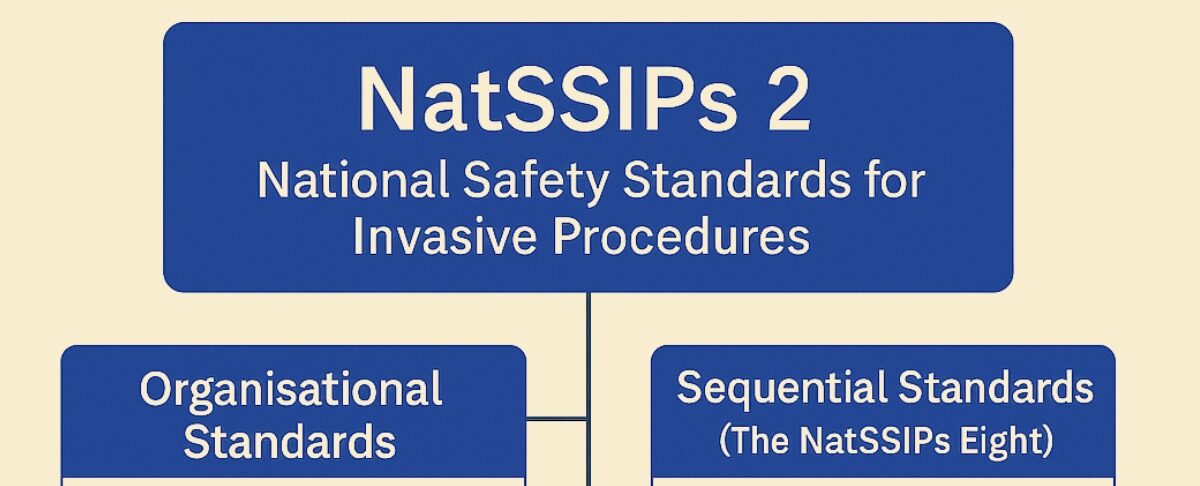
NatSSIPs 2, Where Policy Meets Reality
This article was reviewed for technical accuracy and clarity by Dr Nigel Roberts, Associate Divisional Director, with a keen interest…
Read Blog
October 23, 2025
3 mins
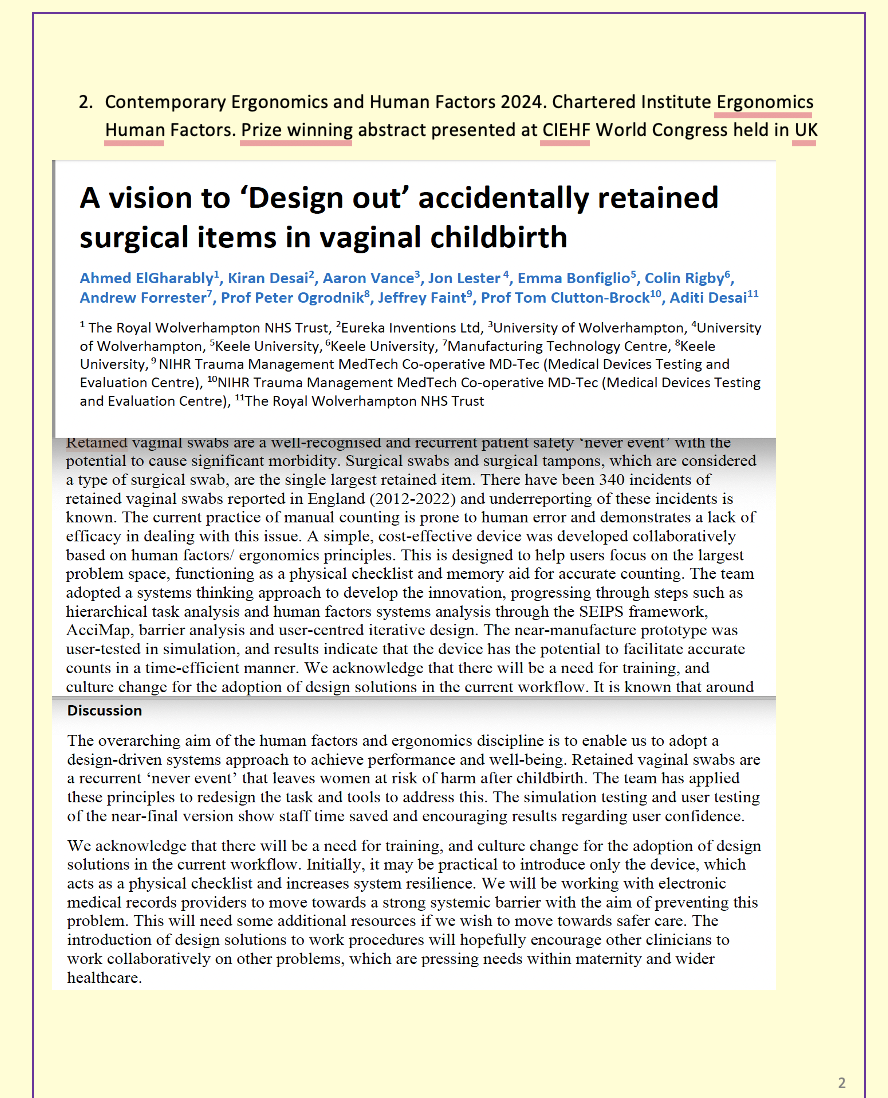
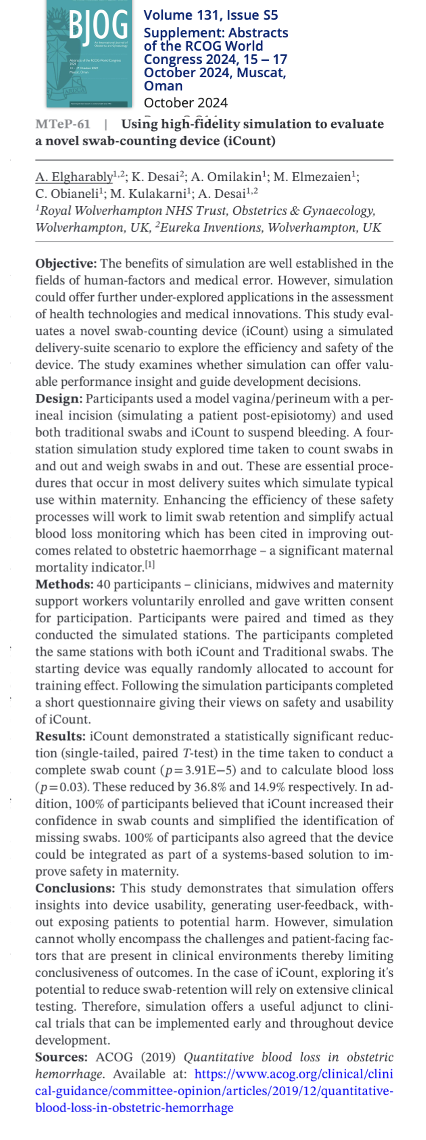
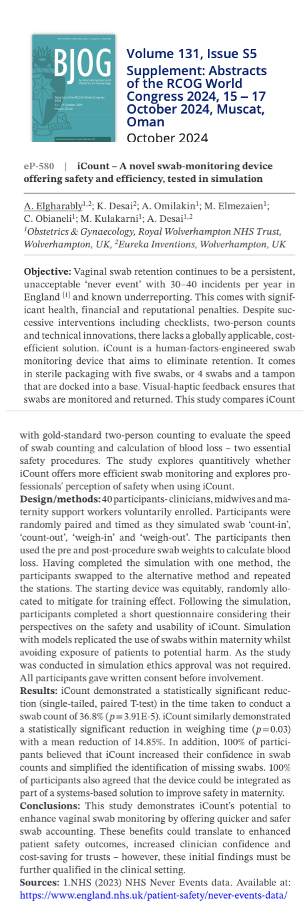
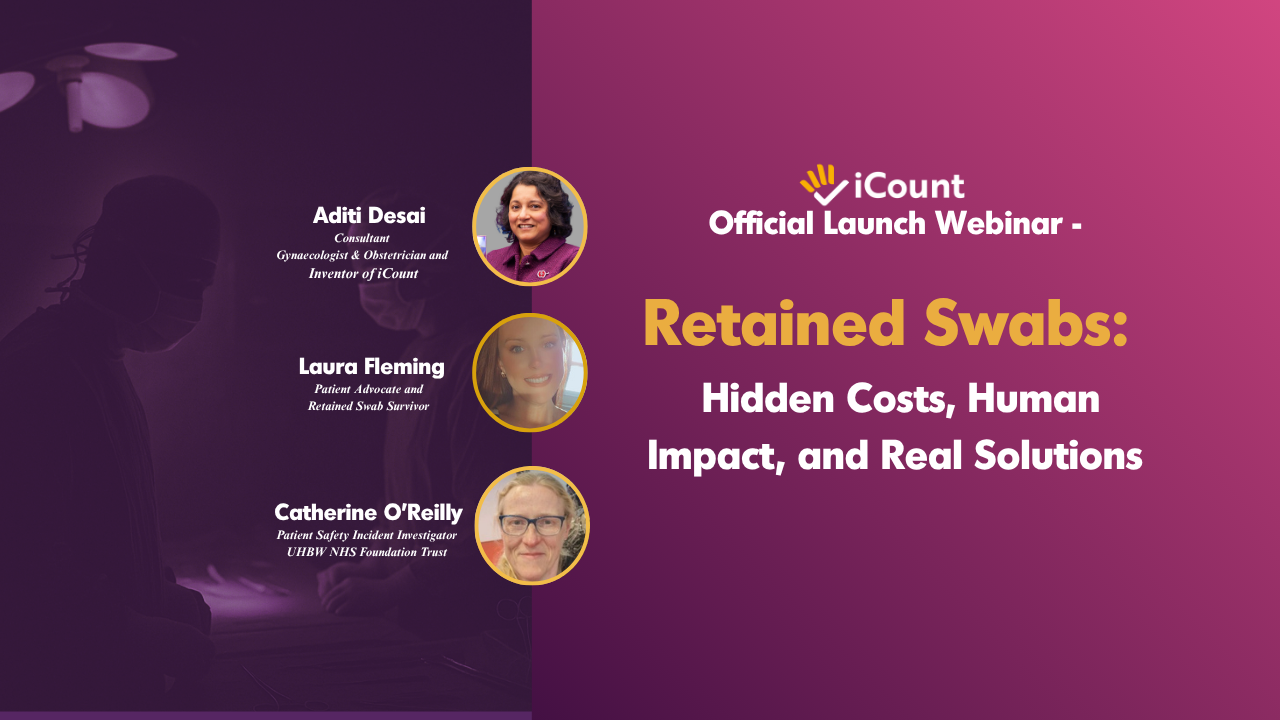
From Never Events to Never Again: How iCount Is Reinventing Surgical Safety
Retained surgical swabs remain one of healthcare’s most preventable Never Events.Even with decades of safety protocols and manual counting, incidents…
Read Blog

September 25, 2025
4 mins
Never Events in Healthcare: Why the NHS is Reviewing the Term
Editors Note The NHS Never Events consultation took place from February to May 2024. It has now closed and NHS…
Read Blog

September 11, 2025
2 mins
The Hidden Toll: Retained Swab After Childbirth Laura Fleming’s Story, and What Must Change
Childbirth should be joyous. For Laura Fleming, it became the start of an avoidable nightmare. In this conversation, Laura describes…
Read Blog
September 1, 2025
2 mins
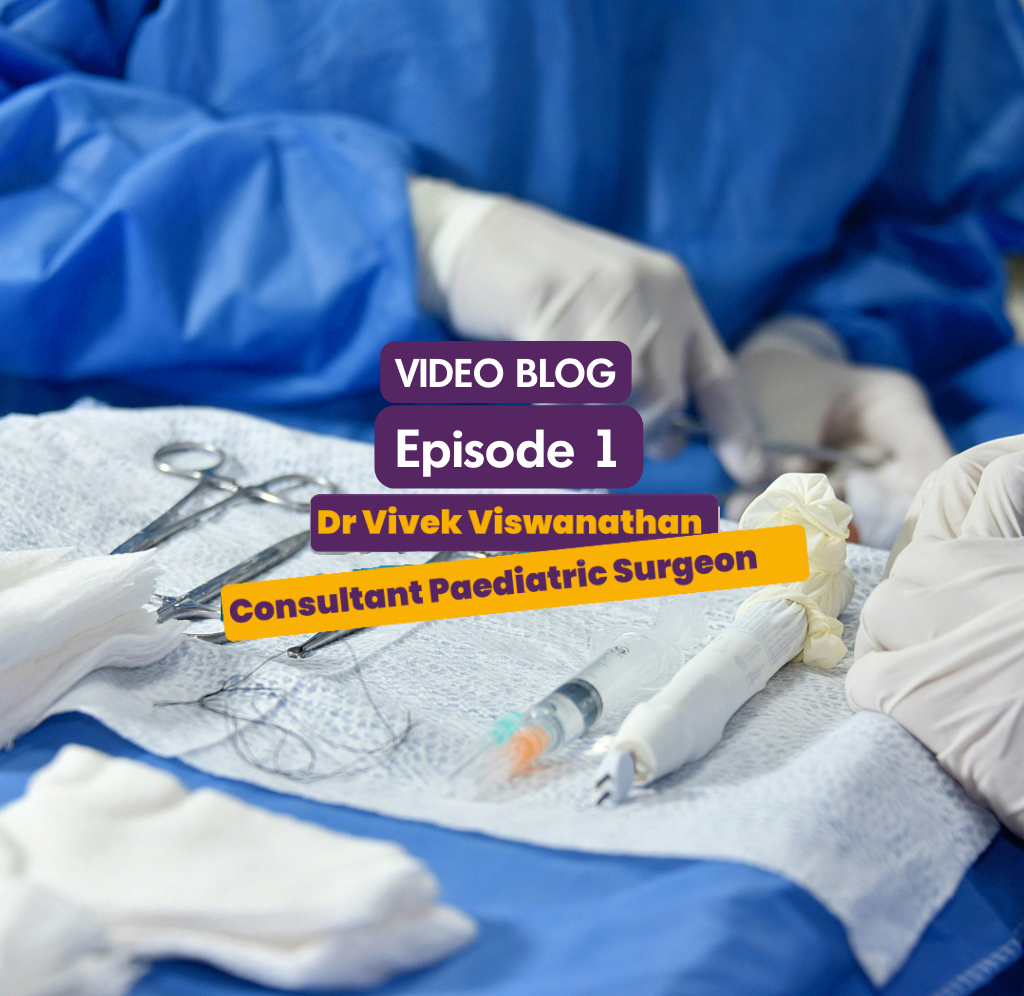
Preventing Retained Surgical Swabs: A Surgeon’s Perspective
Retained surgical swabs remain a serious risk despite checklists and protocols. In this interview, a paediatric surgeon shares why these…
Read Blog

August 26, 2025
3 mins
Never Means Never: Why Retained Swabs Must Be Eliminated from Maternity Care
When we talk about Never Events in healthcare, the word “never” is not a suggestion. It should be a promise.…
Read Blog

August 12, 2025
3 mins
Second Victims in the Operating Theatre: What the New 2025 Data Means for Retained-Swab Prevention
Second victims in the operating theatre are often overlooked in patient safety discussions. When retained surgical swabs occur, the impact…
Read Blog

July 14, 2025
3 mins
Why Swab Counting Errors Cost More Than You Think, And How to Fix It
Introduction Swab counting isn’t considered among the most exciting topic in healthcare. But it’s one of those behind-the-scenes processes that…
Read Blog

June 21, 2025
4 mins
Creating Safer Workflows: The Human-Centric Approach to Swab Counting
In the fast-paced, high-pressure environment of an operating theatre or maternity ward, patient safety is always the top priority. Yet,…
Read Blog

June 12, 2025
4 mins
How Retained Swabs Affect Clinicians: A Hidden Burden in Healthcare
Retained swabs affect clinicians in profound and often overlooked ways. While the patient impact is well-known, the hidden emotional and…
Read Blog

iCount Resources
The Causes & Hidden Cost of Never Events
These references explore the consequences, policy implications, risk factors, and financial/legal burdens associated with retained surgical items (RSIs).
HSIB, CQC, NHS Improvement, Joint Commission, NHS NPSA, Australia & NZ reports
NHS Long Term Plan & US Navy Navmed Policy
Gawande et al., Birolini et al., Zhan & Miller – major prevalence and outcome studies
Gawande, Steelman, AHRQ – reports showing high costs and added hospital stays
Bailey, Kaiser, Gualniera – legal and malpractice case reviews
Dozens of country-specific studies: US, UK, India, France, Kenya, Brazil, etc.
Wan et al., Sirihorachai et al., Tabibzadeh et al., Anderson – systematic reviews and safety studies
Edel, Greenberg, Christian – documenting risks in manual count procedures
Joint Commission & cost analyses comparing RFID/barcoded swabs with iCount (£9/patient)
Regenbogen et al. – cost model showing economic value of iCount-like tech
Mathew & Imoto – showing limits of imaging to detect RSIs
The iCount Evidence Base
These references support interventions, technology innovations, and human-factors-based solutions to prevent RSIs underpinning the rationale for adopting tools like iCount.