Blogs
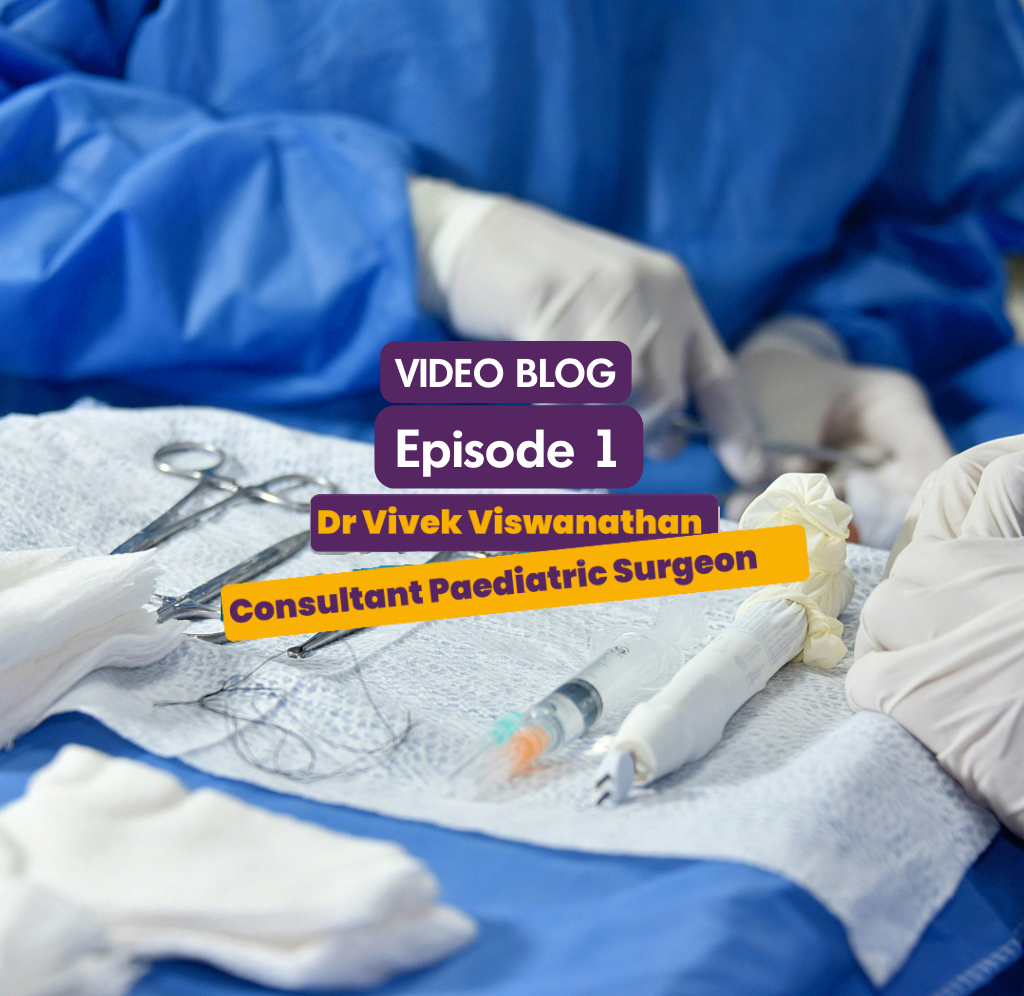
Preventing Retained Surgical Swabs: A Surgeon’s Perspective
Sep 01, 2025
2 mins
Retained surgical swabs remain a serious risk despite checklists and protocols. In this interview, a paediatric surgeon shares why these events still occur, their impact on patients and clinicians, and how practical, low-cost solutions like iCount can support safer theatre practice.
▶️ Watch the Interview
Why Swab Counting Still Fails
- Long operations with staff changes increase the risk.
- Human distraction – teaching, conversations, fatigue.
- Pressure to finish surgeries quickly.
- Bleeding and visibility issues can obscure swabs.
The Human and Emotional Toll
- For patients: infections, re-operations, longer stays, trauma.
- For clinicians: reputational damage, litigation, emotional strain.
- Even “small” oversights can end careers and destroy trust.
Why Technology Must Be Practical
The surgeon explained why RFID and barcoded swabs haven’t taken off:
- Expensive to deploy.
- Workflow disruption in already-pressured environments.
- Resistance to change in entrenched systems.
Where iCount Fits In
- Affordable and simple. No costly system overhaul required.
- Visual and AI double-checks. Adds clarity without slowing the team.
- Integrates with existing processes. Works alongside whiteboards and digital systems.
A Message to Surgeons and Staff
“As long as humans are involved, errors may happen. But our goal must be to get retained swab events as close to zero as possible. That means shared responsibility, vigilance, and adopting tools that make safety easier.”
Key Takeaways
- Retained swabs are rare, but still occur due to human and system pressures.
- The cost is not just clinical — it’s emotional, financial, and reputational.
- Affordable, integrated solutions like iCount are more likely to succeed than expensive RFID systems.
- Safety is everyone’s responsibility — surgeon, nurse, technician alike.
Next Steps
- Share this interview with your surgical safety team.
- Explore iCount as part of your theatre safety improvement.
- Subscribe for more frontline perspectives on surgical safety.
Filters
Clinical Safety and Risk

Cost & Compliance
Human Centric Design
Human factors in Healthcare
Maternity & Theatre Workflows
Never events
Retained Swab Incidents
Video Blog
Workforce & Wellbeing
Blogs

NatSSIPs 2, Where Policy Meets Reality
January 14, 2026

From Never Events to Never Again: How iCount Is Reinventing Surgical Safety
October 23, 2025

Never Events in Healthcare: Why the NHS is Reviewing the Term
September 25, 2025

The Hidden Toll: Retained Swab After Childbirth Laura Fleming’s Story, and What Must Change
September 11, 2025

Preventing Retained Surgical Swabs: A Surgeon’s Perspective
September 1, 2025

Never Means Never: Why Retained Swabs Must Be Eliminated from Maternity Care
August 26, 2025

Second Victims in the Operating Theatre: What the New 2025 Data Means for Retained-Swab Prevention
August 12, 2025

Why Swab Counting Errors Cost More Than You Think, And How to Fix It
July 14, 2025

Creating Safer Workflows: The Human-Centric Approach to Swab Counting
June 21, 2025

How Retained Swabs Affect Clinicians: A Hidden Burden in Healthcare
June 12, 2025