Blogs
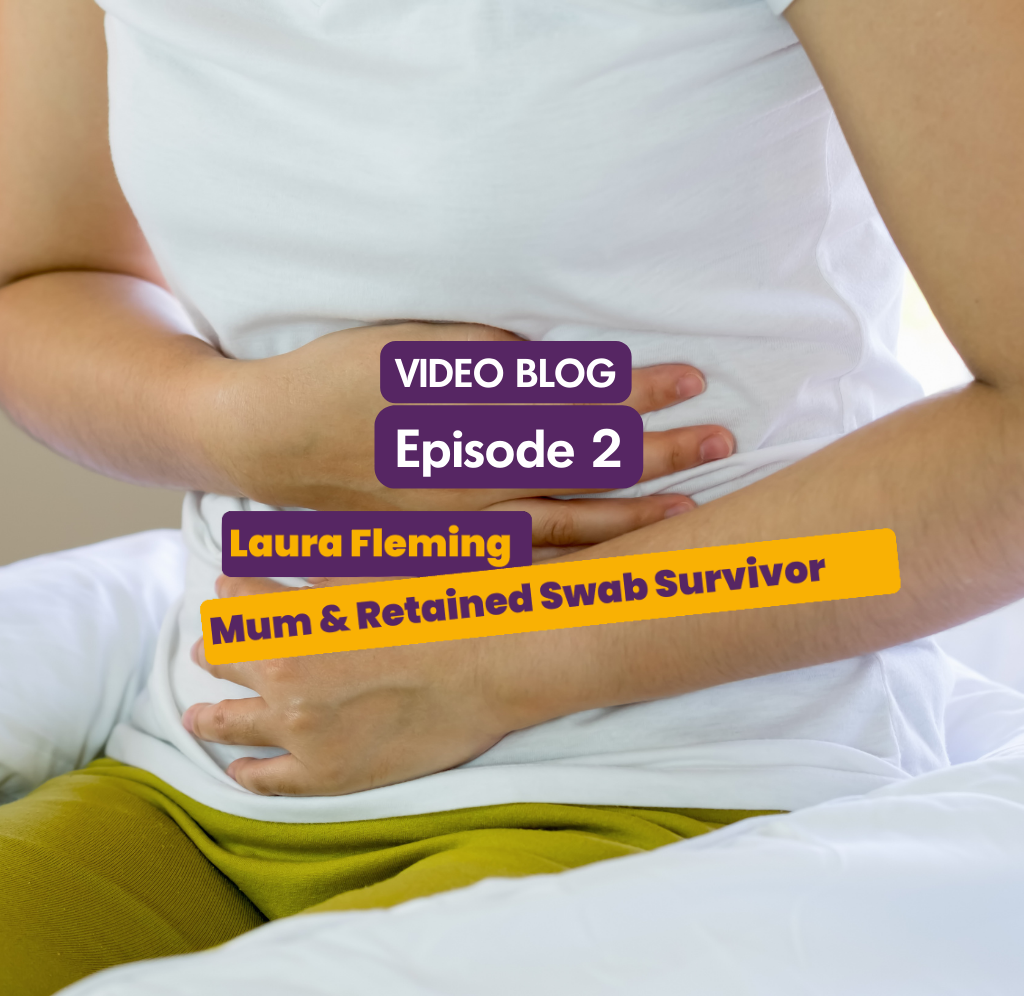
The Hidden Toll: Retained Swab After Childbirth Laura Fleming’s Story, and What Must Change
Sep 11, 2025
2 mins
Childbirth should be joyous. For Laura Fleming, it became the start of an avoidable nightmare. In this conversation, Laura describes what happened after the birth of her daughter Sienna in March 2020: a retained surgical swab, weeks of pain and infection, and a long struggle to be taken seriously. Her story highlights the hidden toll—on health, bonding, and trust—and why safer counting processes matter.
▶️ Watch the interview
Key moments
- 00:00 – Why we’re sharing this story
- 01:14 – “Everything seemed fine… until it wasn’t”
- 05:23 – First signs something was wrong
- 10:32 – “We’ve located a foreign object”
- 18:40 – Documentation vs reality
- 20:27 – Lasting physical and emotional effects
- 31:30 – The fight to be acknowledged
- 42:27 – How simple tools (like iCount) could help
- 48:26 – Laura’s message to mums and decision-makers
What Laura’s story shows
- The human cost: beyond clinical notes—pain, repeated infections, disrupted bonding, and anxiety.
- System pressure: checklists may be ticked, yet errors still slip through.
- Transparency matters: acknowledgement and timely support change patient outcomes.
- Prevention is practical: clear, visible swab tracking with double-checks (human + digital) reduces misses.
Why iCount is part of the fix
iCount provides a simple, visual way to track swabs during procedures—making counts obvious at a glance and harder to miss. When combined with routine checks and openness, it helps teams protect patients and each other.
If you’ve experienced something similar
You’re not alone. Speak to your clinical team, ask questions, and seek support. If you work in maternity or theatres, share this story with your team and discuss how to strengthen counting processes.
What Next?
- Share this video to raise awareness.
- Talk to us about piloting iCount in your unit.
- Subscribe for more patient and clinician perspectives on prevention.
Disclaimer: This content is for awareness and improvement. It does not name hospitals or assign blame and is not medical or legal advice.
Filters
Clinical Safety and Risk

Cost & Compliance
Human Centric Design
Human factors in Healthcare
Maternity & Theatre Workflows
Never events
Retained Swab Incidents
Video Blog
Workforce & Wellbeing
Blogs

NatSSIPs 2, Where Policy Meets Reality
January 14, 2026

From Never Events to Never Again: How iCount Is Reinventing Surgical Safety
October 23, 2025

Never Events in Healthcare: Why the NHS is Reviewing the Term
September 25, 2025

The Hidden Toll: Retained Swab After Childbirth Laura Fleming’s Story, and What Must Change
September 11, 2025

Preventing Retained Surgical Swabs: A Surgeon’s Perspective
September 1, 2025

Never Means Never: Why Retained Swabs Must Be Eliminated from Maternity Care
August 26, 2025

Second Victims in the Operating Theatre: What the New 2025 Data Means for Retained-Swab Prevention
August 12, 2025

Why Swab Counting Errors Cost More Than You Think, And How to Fix It
July 14, 2025

Creating Safer Workflows: The Human-Centric Approach to Swab Counting
June 21, 2025

How Retained Swabs Affect Clinicians: A Hidden Burden in Healthcare
June 12, 2025